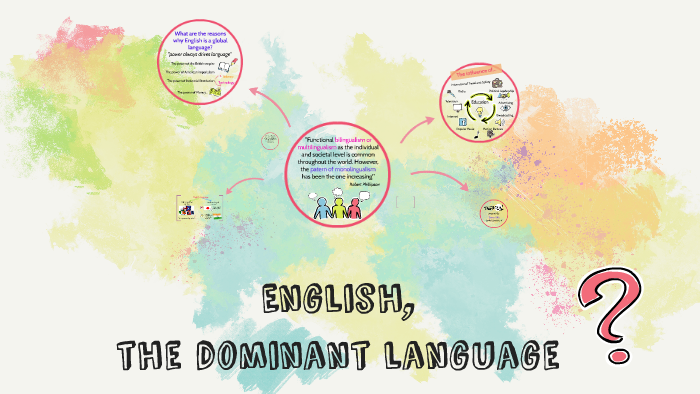
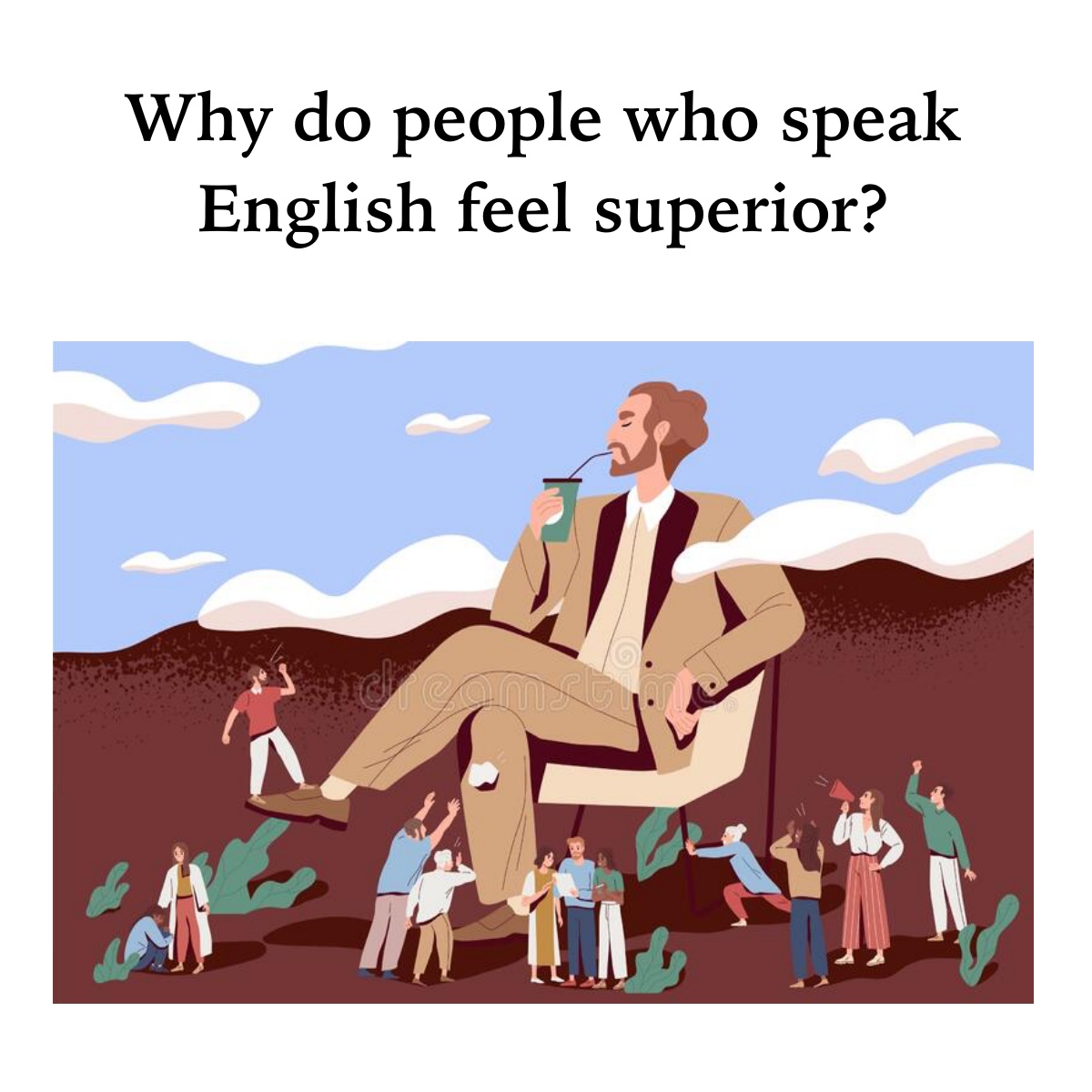
People who speak English are often perceived as having an advantage over those who do not, which can lead to feelings of superiority among English speakers. This is due to the fact that English is widely spoken and considered a language of power and privilege in many parts of the world, and those who are fluent in English may have access to more opportunities, both personally and professionally.
Thank you for reading this post, don't forget to subscribe!1. Why do people who speak English feel superior?
There may be some individuals who hold this belief, it is not fair or accurate to make sweeping statements about an entire linguistic community. This stereotype can be traced to historical and social factors, such as the legacy of colonialism and the association of English with power and prestige in many parts of the world. However, it is important to challenge this stereotype and promote cultural exchange and linguistic diversity, as language proficiency should not determine a person’s worth or value. These are some reasons why people who speak English feel superior.
- English is often associated with power, wealth, and prestige in many parts of the world, which can lead to a sense of superiority among English speakers.
- Many international organizations, such as the United Nations and the World Health Organization, use English as their primary language, which can create the impression that English speakers have a greater influence on global affairs.
- English is the language of many cultural products, such as movies, music, and literature, which can give English speakers greater exposure to different ideas and perspectives.
- English is often the language of instruction in international schools and universities, which can provide English-speaking students with a high-quality education and greater opportunities for further study.
- The dominance of English in certain fields, such as business, science, and technology, can create the perception that English speakers are more knowledgeable and successful in these areas.
- The historical legacy of British and American colonialism may contribute to the idea that English is a superior language and that those who speak it are more civilized or enlightened.
- The widespread use of English as a lingua franca in many parts of the world can create the impression that English speakers are more adaptable and flexible in multicultural settings.

2. People who speak English feel superior: A misconception
The notion that people who speak English feel superior to non-English speakers is a common stereotype that is often perpetuated in popular culture and media. However, this idea is based on inaccurate assumptions and generalizations that do not reflect the complexities of language and culture. In fact, the premise that English speakers feel superior is a misconception that overlooks the diversity of language skills and cultural experiences that exist around the world. In the following paragraphs, we will explore several reasons why this idea is flawed, and why it is important to value and celebrate linguistic diversity.
- Language proficiency does not determine a person’s character, intelligence, or worth, and it is unfair to make assumptions about individuals based solely on their language skills.
- Many people who speak English as a second language do not feel inferior to native speakers, and may in fact take pride in their ability to communicate effectively in multiple languages.
- The idea that English speakers feel superior is based on stereotypes and generalizations, which are often inaccurate and can be harmful.
- English-speaking countries are not immune to social, economic, and political problems, and speaking English does not automatically confer an advantage in these areas.
- The perceived “superiority” of English may be a result of historical and cultural factors, rather than inherent qualities of the language itself.
- Many people who speak English as a first language may not be aware of the advantages they have, and may not consciously or intentionally feel superior to non-English speakers.
- Language is just one of many factors that can contribute to a person’s success and opportunities, and it is important to recognize and value the diversity of languages and cultures in the world.