Skip to content
The lingwist

The lingwist

The Lingwist is the home for everyone who is passionate about language and linguistics. Feel free to share, discuss, and comment. The Lingwist's motto is " Learn & have fun"

  • Home
  • Discourse Analysis
  • Business Communication
  • English
    • Applied Linguistics
    • Core Linguistics
    • Grammar
    • Vocabulary
    • Functions
  • Composition
  • Privacy Policy!
  • About us
  • Contact Us!
  • Toggle search form
Funny Words That Sound Ridiculous but Are Totally Real

16 Funny Words That Sound Ridiculous but Are Totally Real

Posted on July 26, 2024July 26, 2024 By The Lingwist

Language is full of surprises, and nothing exemplifies this better than words that sound utterly ridiculous but are entirely real. These words often leave us in stitches and bring a bit of fun to the otherwise mundane task of communication. Here, we explore 16 hilarious words that sound absurd yet are completely legitimate, providing definitions and examples to help you understand and appreciate their quirky charm. These are 16 Funny Words That Sound Ridiculous but Are Totally Real:

Thank you for reading this post, don't forget to subscribe!

Best Friend

2.

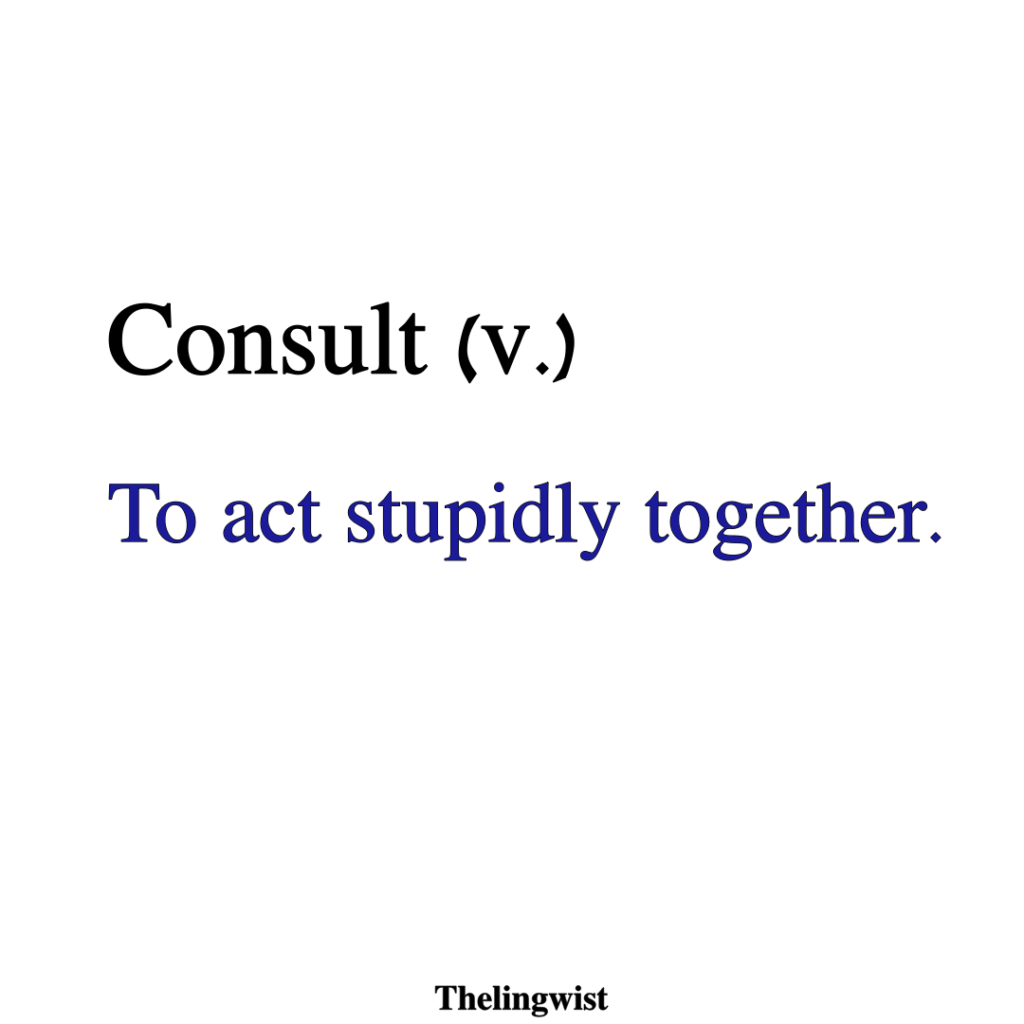
Consult

3.

Death

4.

Education

5.

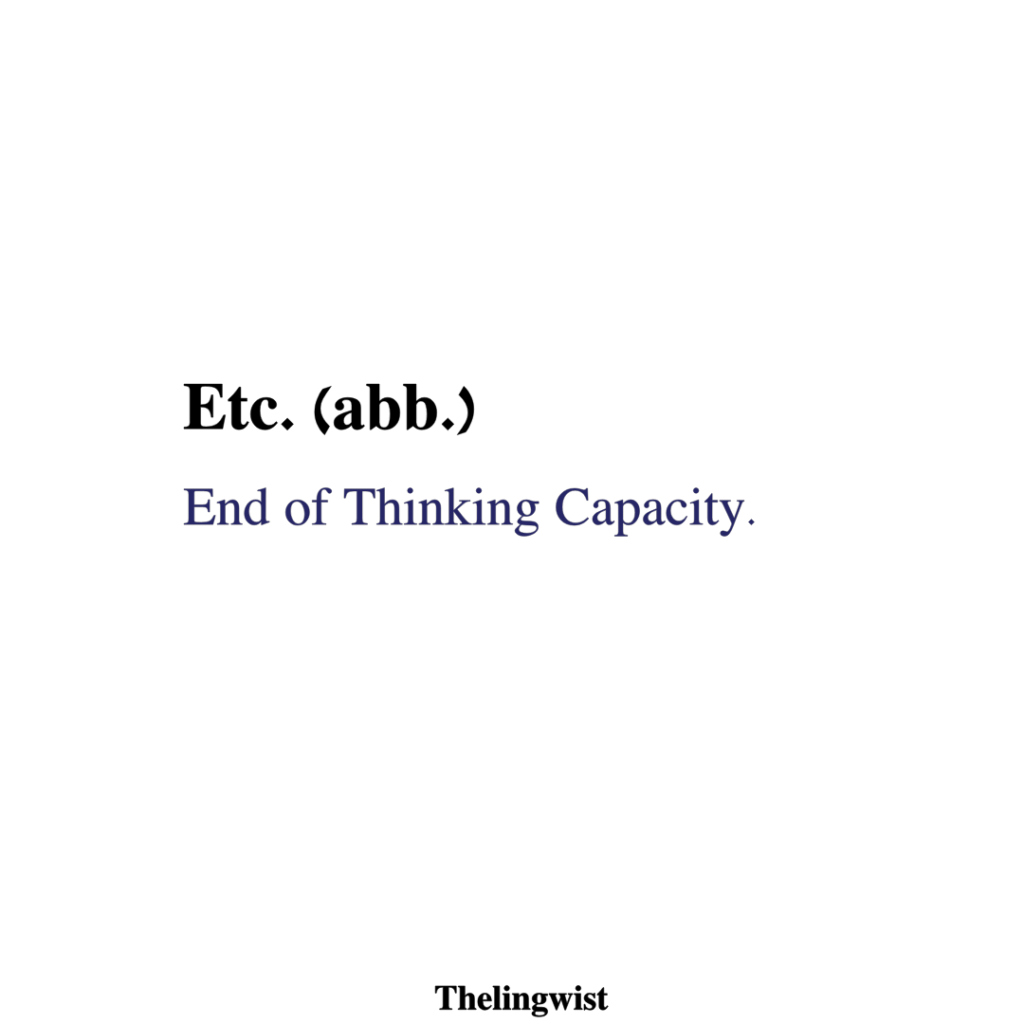
Etc

6.

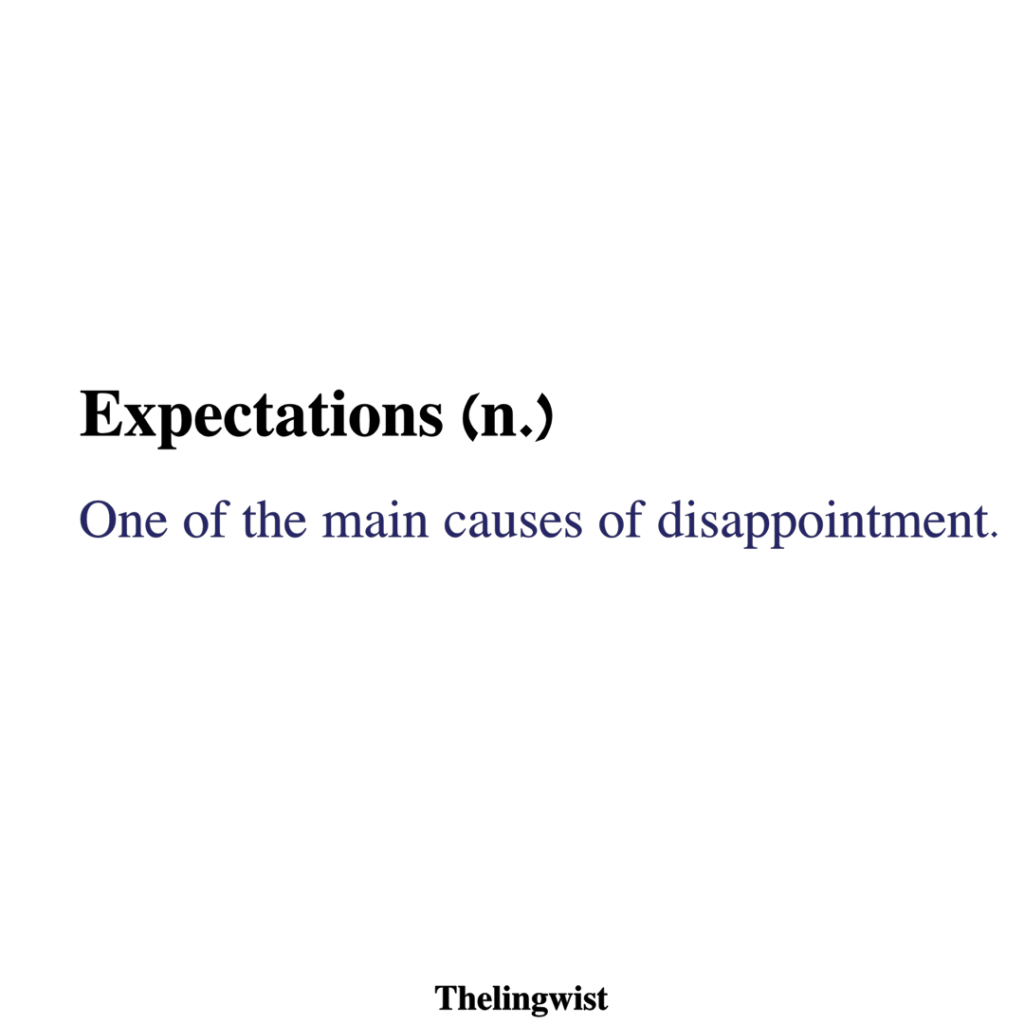
Expectations

7.

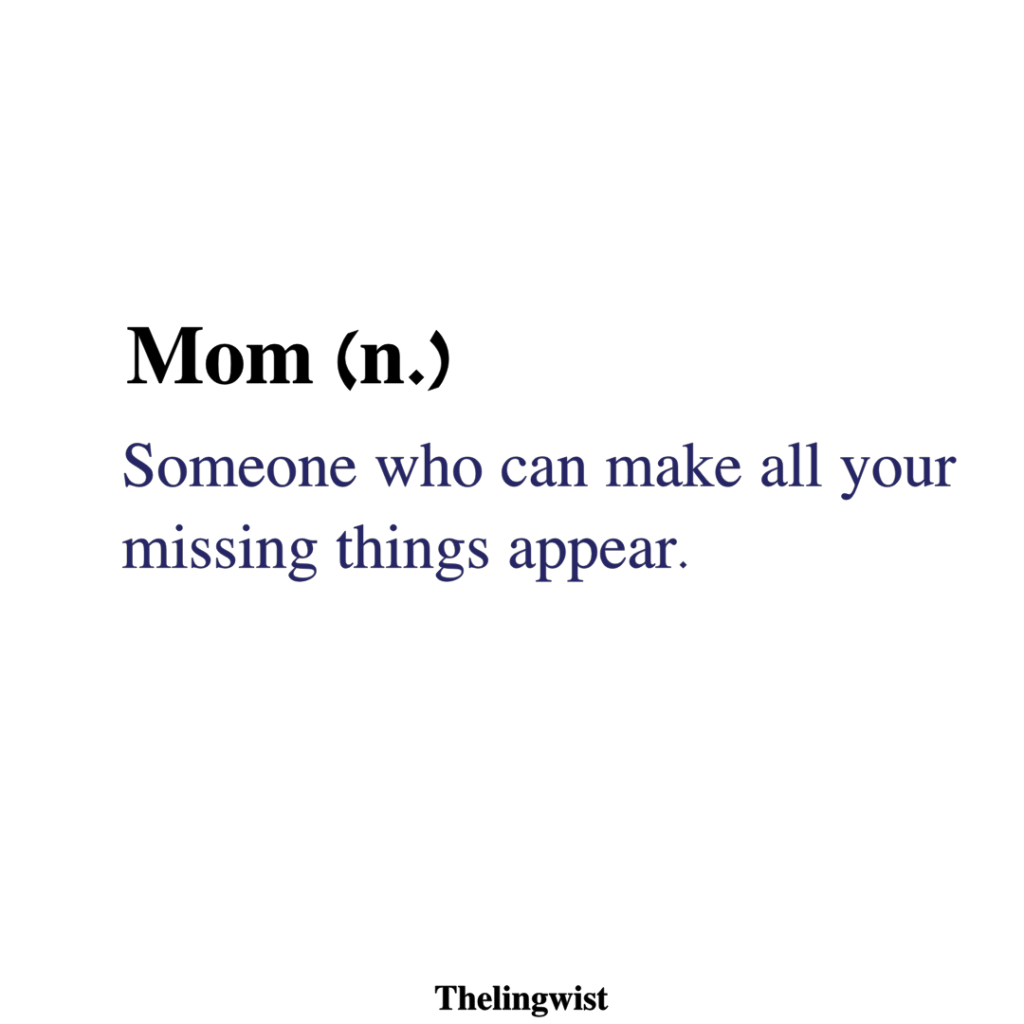
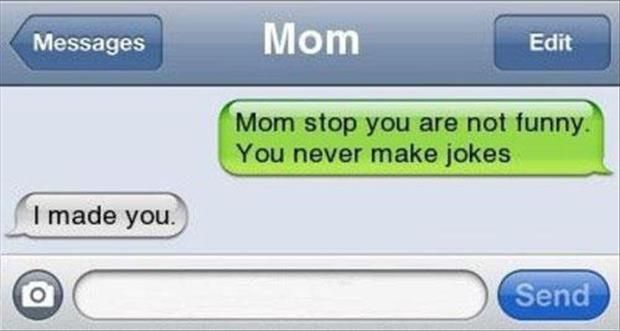
Mom

8.

Morning

9.

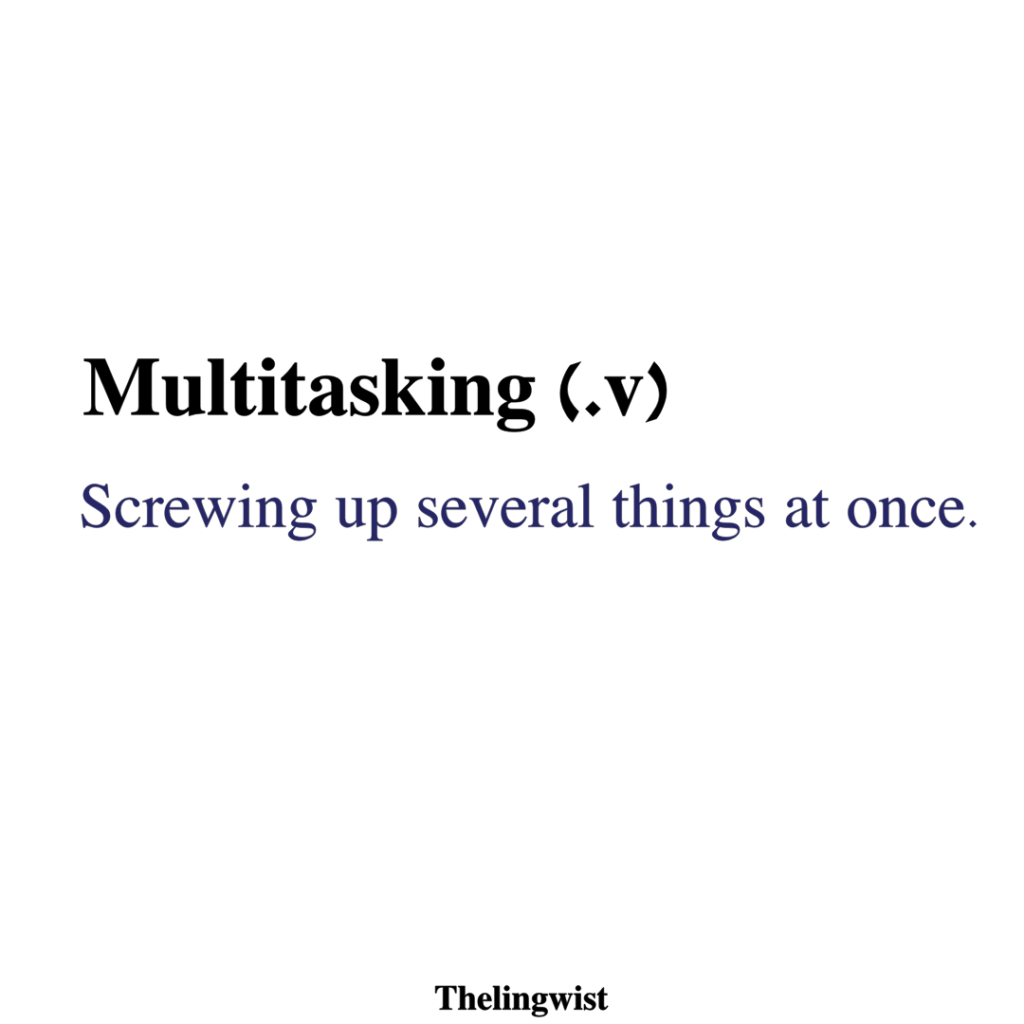
Multitasking

10.

noname

11.

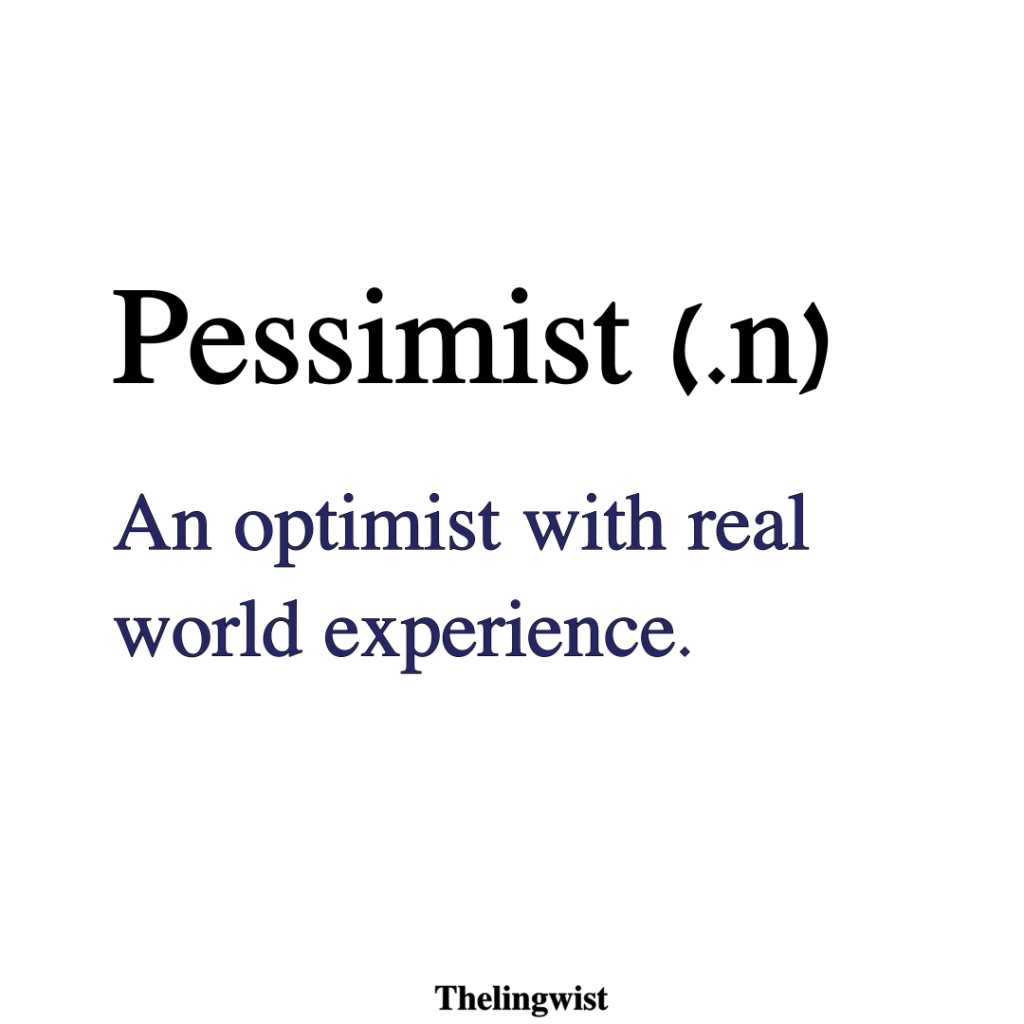
Optimist

12.

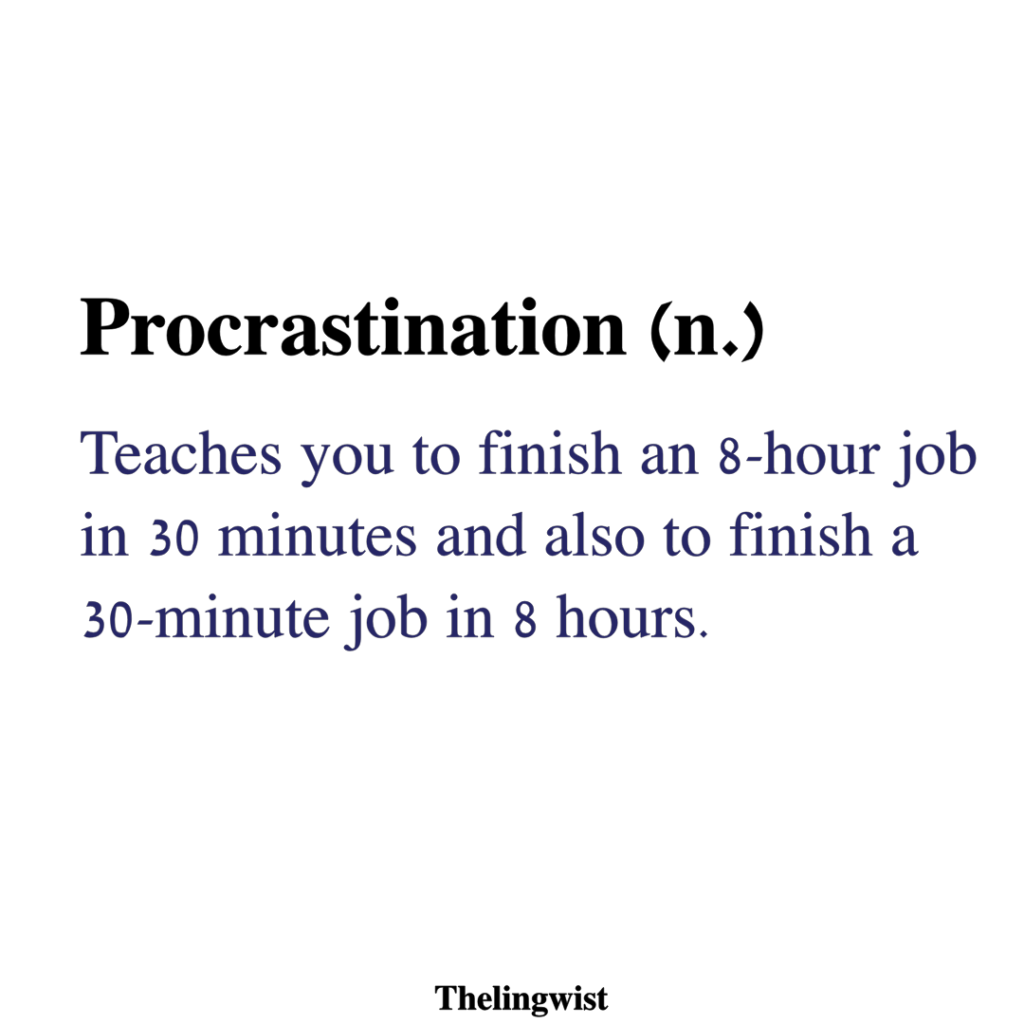
Procrastination

13.

Secret

14.

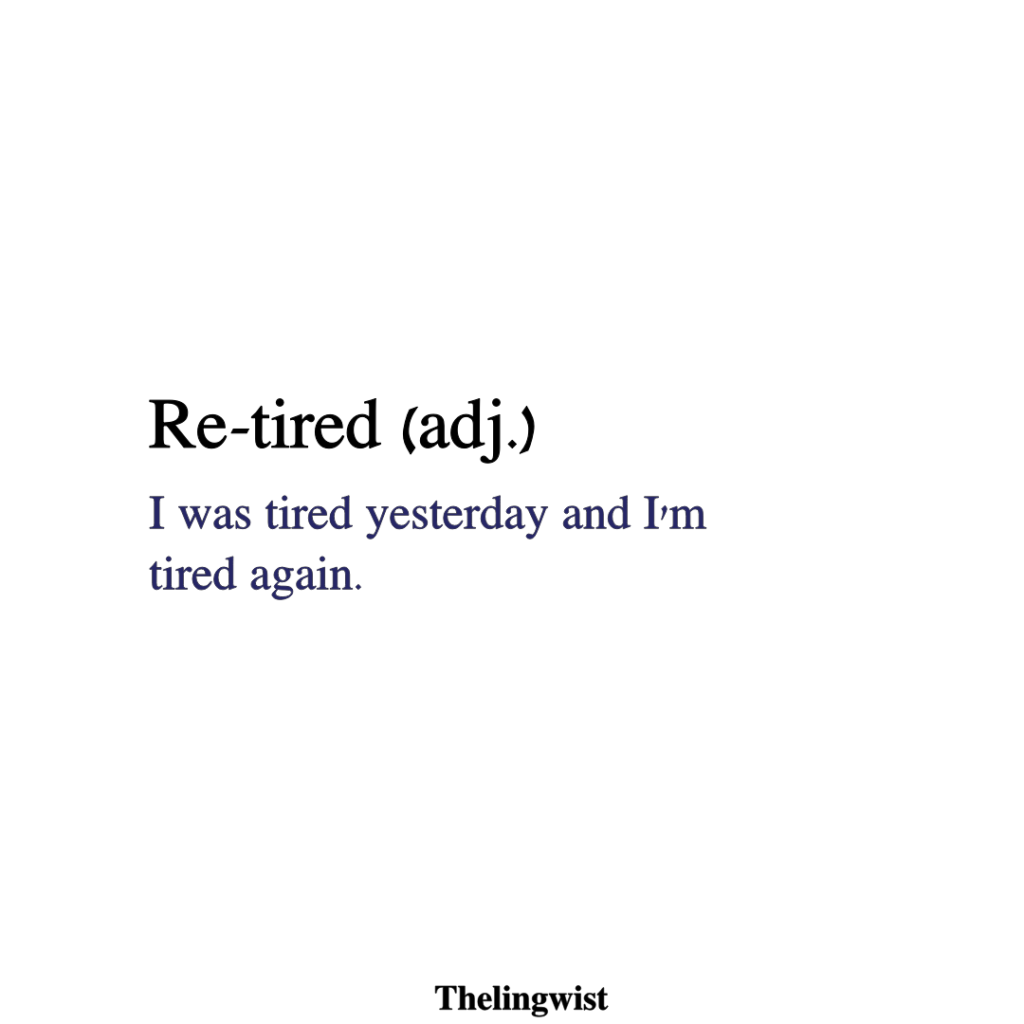
Tired

15.

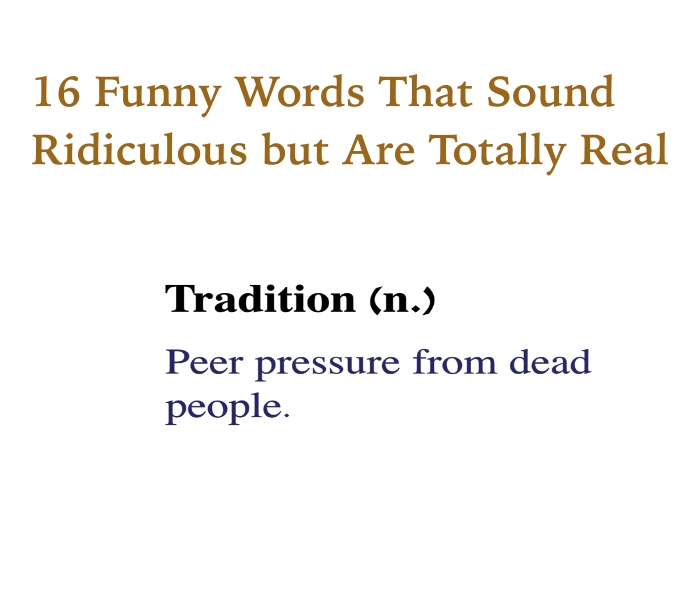
Tradition

16.

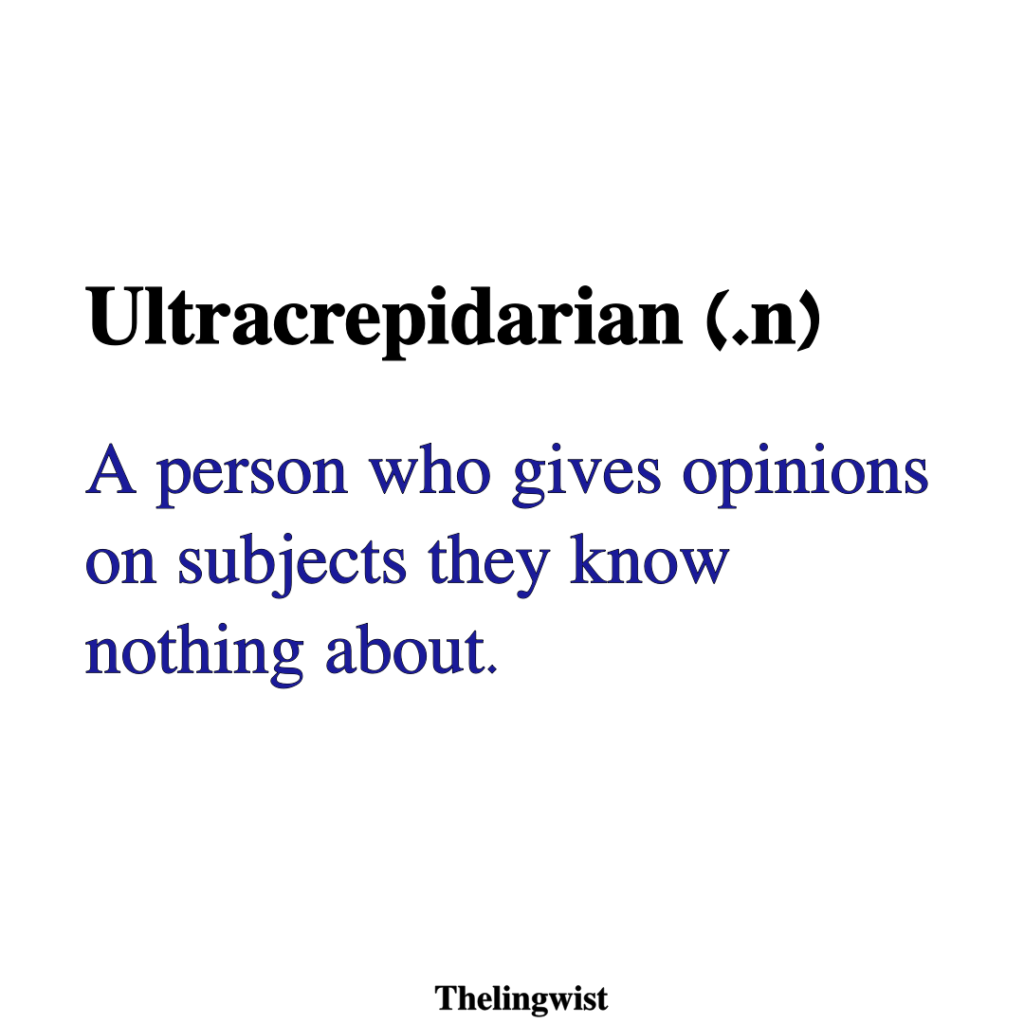
Ultracrepidarian

Language is a treasure trove of amusing and unexpected terms that can make our conversations more lively and entertaining. These 16 words, despite sounding ridiculous, are completely real and add a delightful twist to our vocabulary. Next time you want to bring a smile to someone’s face or add a bit of humor to your dialogue, try slipping one of these funny words into your conversation.

See Also: How to Say “Mind Your Own Business” in Different Languages

Facts About Languages You May Have Never Heard Of

English

Post navigation

Previous Post: How to Say “Mind Your Own Business” in Different Languages

Next Post: Discover The Origin of the English Alphabet: How Its Smallest Elements Tell the Story

Related Posts

  • Long
    Top 10 Longest Words in English You should know Applied Linguistics
  • istockphoto 1326478840 612x612 1
    Blind People Remember Language Better Than Sighted People: A Study Reveals English
  • AI Abraham Lincoln
    AI Artist Uses Selfies To Transport Us To Past & Bring Historical Figures To Life English
  • Social media thumbnail
    A Comical Look at How Social Media Platforms Got Their Names English
  • Why do people who speak English feel superior?
    Why do people who speak English feel superior? English
  • the fascinating world of gendered nouns in European languages like French, Spanish, and German.
    Why Gendered Nouns in European Languages Will Blow Your Mind: The Secrets Behind Masculine, Feminine, and Neuter Words English

Categories

  • Applied Linguistics
  • Business Communication
  • Composition
  • Core Linguistics
  • Discourse Analysis
  • English
  • Functions
  • Grammar
  • Vocabulary
  • a verbal error in which a speaker accidentally transposes the initial sounds or letters of two or more words, often to humorous effect, as in the sentence you have hissed the mystery lectures, accidentally spoken instead of the intended sentence you have missed the history lectures.
    Spoonerisms: Hilarious Slip-Ups and Funny Language Flips English
  • Homogrpahs 2
    20 Hard but Useful Homographs you Should Add to your Vocabulary Immediately with Examples Applied Linguistics
  • pathos and logos
    The Story of the Pathos and the Logos English
  • Facts about language 1
    Facts About Languages You May Have Never Heard Of Applied Linguistics
  • noname
    The Sound of Personality: How Your Name Can Reflect Who You Are English
  • photo 1603989872628 7880d83bb581
    Will English be the major Lingua Franca? Applied Linguistics
  • UntranslattableWord 1
    20 Beautiful Untranslatable Words from Around the World Applied Linguistics
  • Descriptive writing
    Descriptive writing Composition

Copyright © 2026 The lingwist.

Powered by PressBook News WordPress theme